South Korea Chip Worker Bonuses Raise Inflation Concerns
Massive bonuses for South Korean semiconductor workers are putting the Bank of Korea on alert for rising inflation pressure.
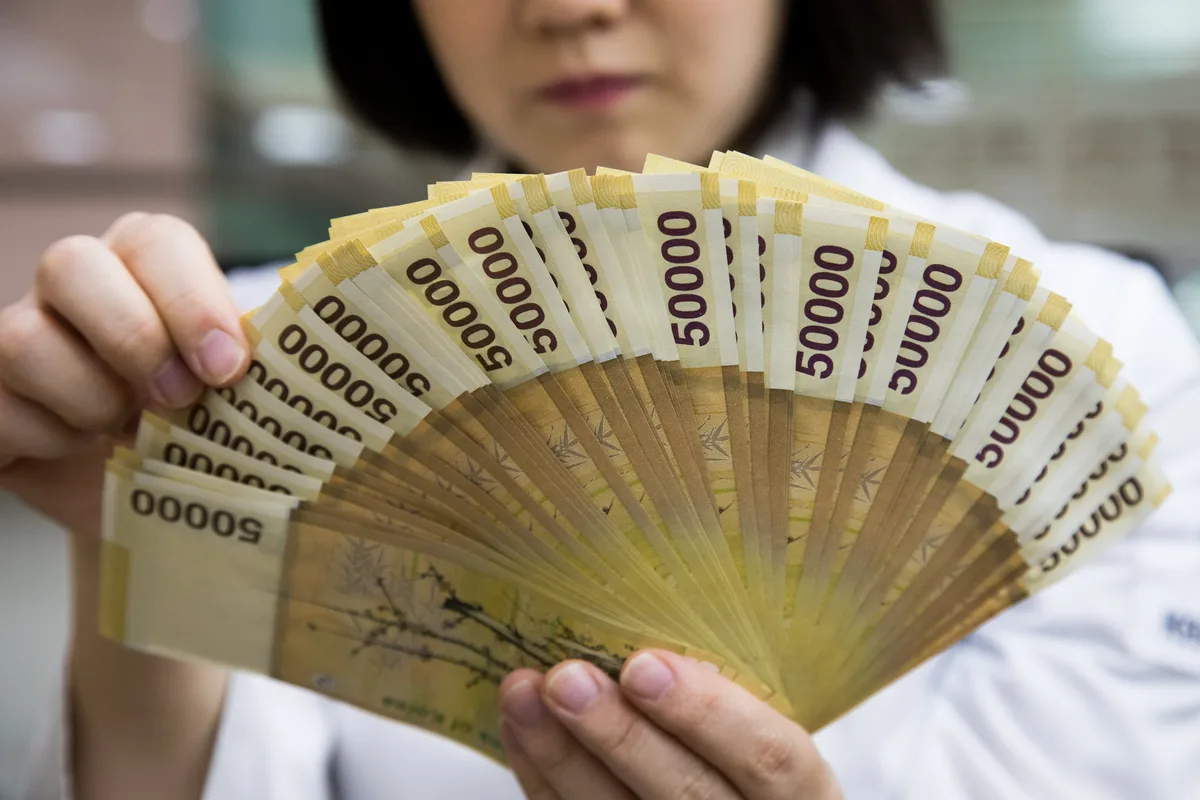
South Korea's semiconductor sector is generating significant wage windfalls for its workers, with bonuses reaching into the millions of won — a development that has caught the attention of the country's central bank. The Bank of Korea has issued a warning that these payouts could fuel upward pressure on consumer prices at a time when policymakers are already navigating a delicate inflation environment.
The tech industry has long been a cornerstone of South Korea's export-driven economy, and its chip sector in particular has delivered outsized compensation packages in recent years, reflecting both the global demand for semiconductors and fierce competition for skilled labor. When large numbers of workers in a concentrated, high-wage industry receive substantial one-time payments, the resulting surge in disposable income can ripple through the broader economy — boosting consumer spending and, in turn, prices.
Read more Labour Faces Pressure to Borrow More Despite Debt Worries →
The Bank of Korea's public alert signals that monetary authorities are watching labor compensation trends as closely as traditional inflation indicators like energy and food costs. Central banks worldwide have learned hard lessons in recent years about the stickiness of services inflation, much of which is driven by wage growth. A bonus-heavy compensation structure, while different from permanent wage increases, still injects real purchasing power into the economy in a compressed timeframe.
For policymakers, the challenge is calibrating a response that neither overreacts to a potentially one-time phenomenon nor dismisses a genuine demand-side pressure that could complicate efforts to bring inflation sustainably to target. South Korea's experience also offers a broader case study in how sectoral booms — particularly in strategically critical industries like semiconductors — can create macroeconomic tradeoffs that extend well beyond the factory floor.
Continue reading at US Top News and Analysis