Labour Faces Pressure to Borrow More Despite Debt Worries
An economic adviser is urging Labour to increase borrowing even as debt concerns mount, putting fiscal discipline at the center of UK policy debate.
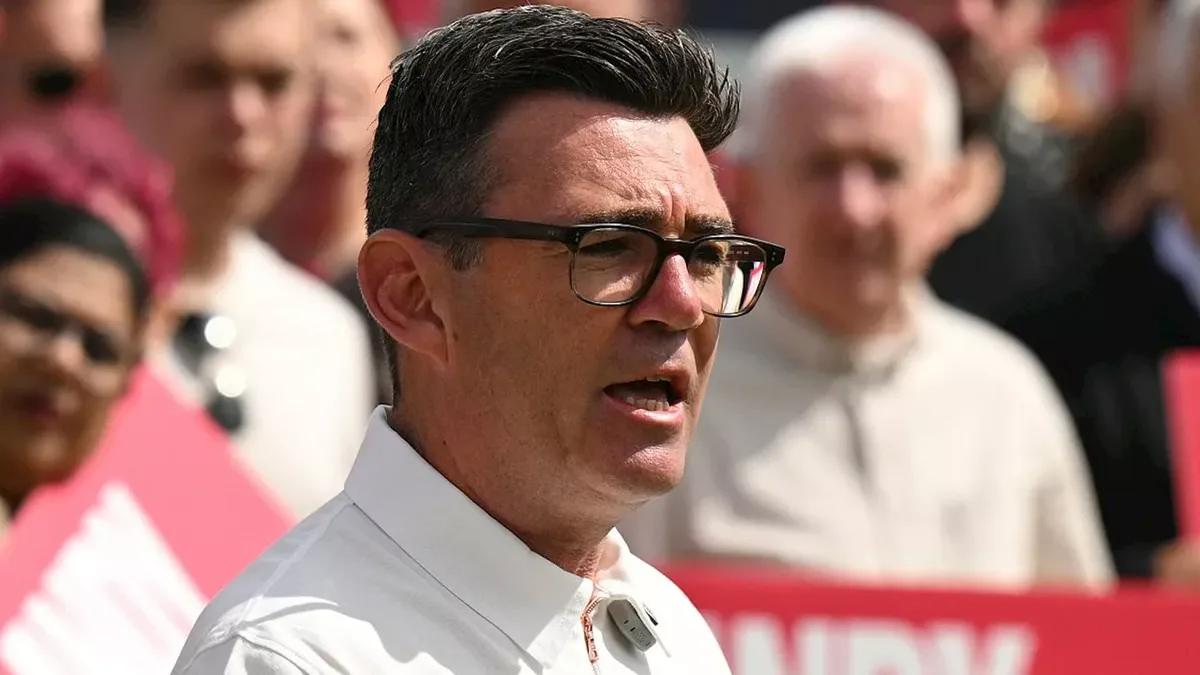
The United Kingdom's Labour government is facing a pointed challenge from within its own advisory circles, with at least one economic adviser publicly pushing for an expansion of government borrowing — even as concerns about the country's debt trajectory continue to simmer among markets and fiscal watchdogs.
The call reflects a broader tension that has defined Labour's early tenure in power: how to fund ambitious spending commitments on infrastructure, public services, and green investment without triggering a damaging loss of market confidence. Advisers in favour of increased borrowing typically argue that low-cost, long-term debt can finance growth-generating investment, ultimately improving the debt-to-GDP ratio over time rather than worsening it.
Read more South Korea Chip Worker Bonuses Raise Inflation Concerns →
Critics of that position, however, warn that the UK's post-pandemic fiscal position leaves limited room for manoeuvre. With interest payments already consuming a historically elevated share of government revenue, any signal that Labour is prepared to loosen its self-imposed fiscal rules could prompt a sharp repricing of gilts — echoing, at least in spirit, the market turbulence that followed the Truss government's 2022 mini-budget.
The debate lands at a delicate moment for Chancellor Rachel Reeves, who has staked considerable political capital on projecting fiscal credibility while simultaneously promising meaningful public investment. Whether Labour can thread that needle — borrowing more without spooking bond markets — may be the defining economic question of this parliamentary term.
Continue reading at headtopics (dailymail) for the full report and additional commentary.